People tune into ºÚÁϳԹÏÍøTV for all manner of reasons — to watch reports on ºÚÁϳԹÏÍø medical research, notable campus lectures, historical programming, to hear ºÚÁϳԹÏÍø leaders addressing current issues, and much more.
But viewer habits are changing; increasingly, people want content to come to them, on their computer or over their smart phone — so ºÚÁϳԹÏÍøTV is responding.
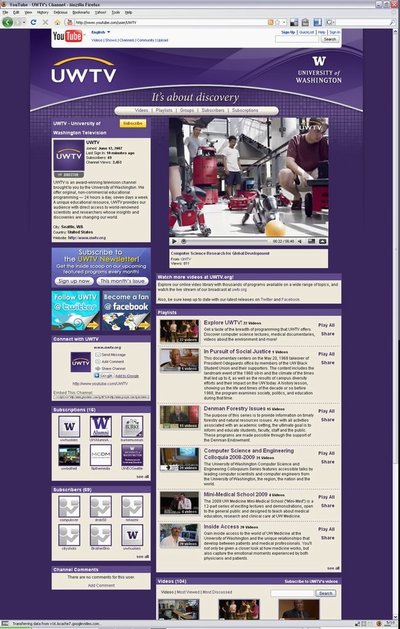
In May, the station launched a new channel at www.youtube.com. The YouTube channel is one of about 10 ºÚÁϳԹÏÍø-related channels in the ºÚÁϳԹÏÍø Group — the official YouTube group of the ºÚÁϳԹÏÍø — offering the best in research, science, medicine and humanities videos from about 60 ºÚÁϳԹÏÍø colleges and schools. The station also is part of YouTube EDU, which offers videos and channels from more than 200 colleges, universities and educational organizations.
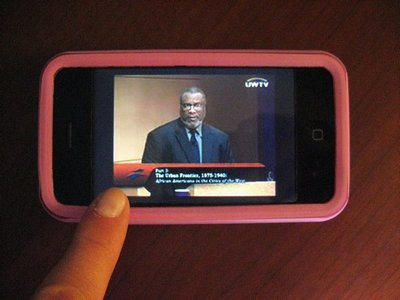
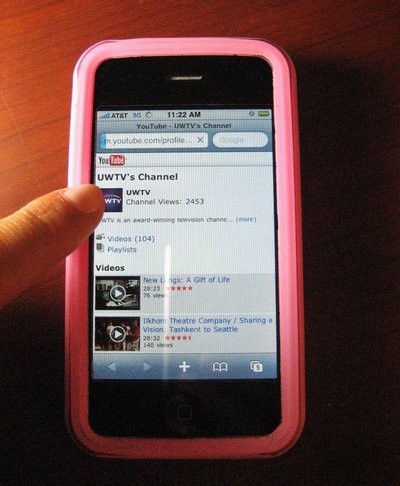
The new platform also will make ºÚÁϳԹÏÍøTV more accessible via smart phones. Those using iPhones can add a sleek new application by bringing up http://m.youtube.com/ºÚÁϳԹÏÍøTV on their Safari browsers and tapping the plus (+) sign and then “add to home.” Users of other types of smart phone can visit the site through their browser and bookmark or save the page as needed.
The move to YouTube is in keeping with ºÚÁϳԹÏÍøTV’s ongoing work to stay current on broadcast and technology trends, said Phillippa Kassover, ºÚÁϳԹÏÍøTV senior director of development and external relations. “ºÚÁϳԹÏÍøTV has lived for a long time under the umbrella of ºÚÁϳԹÏÍø Technology, and as such has always been focused on keeping up with, and in fact being a leader in, new technologies.”
She said ºÚÁϳԹÏÍøTV, which also manages a national consortium of content providers called ResearchChannel, was participating in Google Video even before Google bought YouTube. “Similarly, we talked with Apple very early in the creation of iTunes U, and we were one of the early educational content providers.”
The latest move increases ºÚÁϳԹÏÍøTV’s presence on both YouTube and iTunes U, she said.
“You know, ‘any place any time’ is the mantra of YouTube and the mobile devices,” Kassover said. “If faculty and staff have a long bus ride and want to keep current on goings on at the ºÚÁϳԹÏÍø, (with a smart phone) they can keep up with things they might not otherwise have been able to.”
The ºÚÁϳԹÏÍø community has shown great interest in watching campus events and activities on ºÚÁϳԹÏÍøTV over the years. The Mini-Medical School series are among the most often-watched programs as is The Psychology of Blink: Understanding How Our Minds Work Unconsciously, one of the Allen L. Edwards Psychology Lectures series. And of course people are still accessing the lecture Bill Gates Unplugged: On Software, Innovation, Entrepreneurship and Giving Back, delivered April 25, 2008 in Kane Hall.
Another very popular series of videos now available both at YouTube and through iTunes U, Kassover said, is ºÚÁϳԹÏÍø History Professor Quintard Taylor’s five-part series The African American West, 1528-2000. It’s an older program, she said, but ºÚÁϳԹÏÍøTV has gotten so many e-mails praising it they went back and re-encoded it for the new platform.
Other popular broadcasts, Kassover said, have been those of the Dalai Lama’s Seattle visit and The Long Journey Home: Honoring ºÚÁϳԹÏÍø Nikkei Students of 1941-1942, about the 2008 ceremony to honor Japanese American ºÚÁϳԹÏÍø students forced into internment campus during World War II.
She noted, too, that the increased availability of such videos on YouTube and smart phone helps ºÚÁϳԹÏÍø alumni track the doings of their alma mater from afar.
Kassover added that ºÚÁϳԹÏÍøTV is undergoing many changes these days and for viewers to “stay tuned … we hope there’s going to be even more of interest to watch in coming months.”
Harry Hayward, director of electronic media for Media Relations and Communications, praised ºÚÁϳԹÏÍøTV for its recent expansion. “ºÚÁϳԹÏÍøTV has been a leader in getting ºÚÁϳԹÏÍø content up in all of the new channels for video distribution,” he wrote in an e-mail. “Their content anchors a growing presence on YouTube and iTunes by over 20 ºÚÁϳԹÏÍø units. Consistent branding through the use of color and the purple W is bringing a family feel to all of our video assets. YouTube is a great channel for getting the ºÚÁϳԹÏÍø message out to a wide audience.”
To learn more about ºÚÁϳԹÏÍøTV and its programs, and to sign up for its campus newsletter, visit online at .